
A Real-Life Success Story: The Impact of Proactive Eye Care
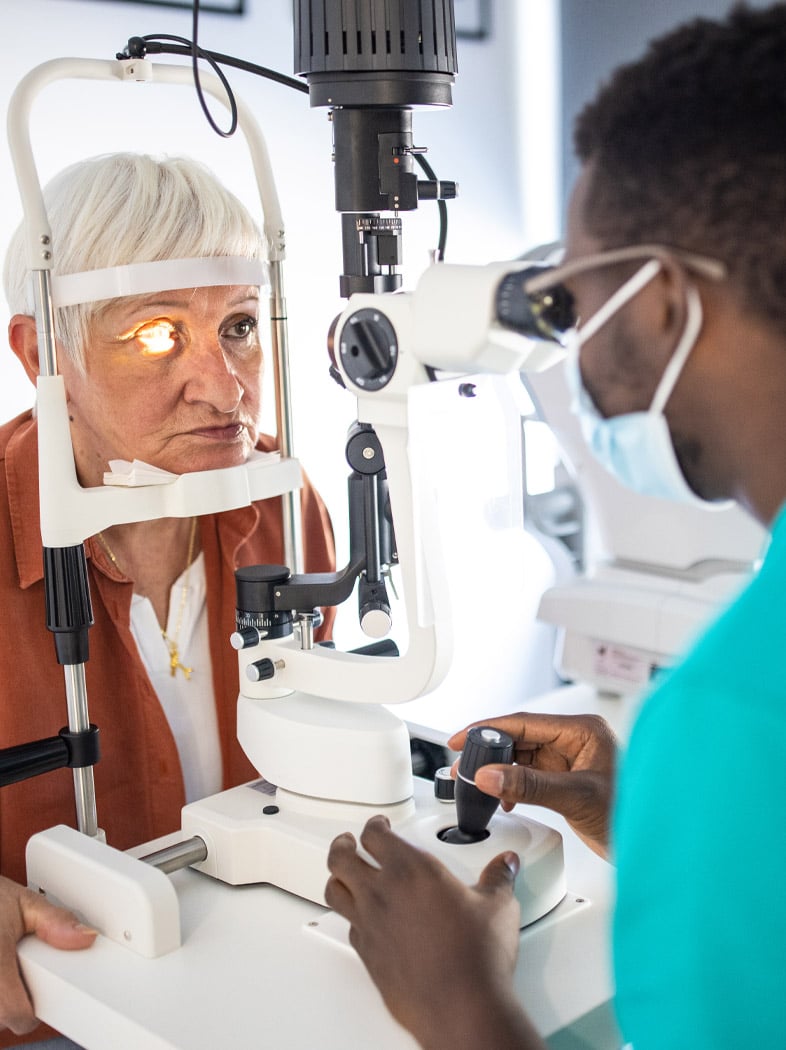
Meet Mary, a passionate gardener who experienced a common yet often overlooked eye injury. One day, while tending to her plants, she accidentally got poked in the eye by a leaf. Initially, she noticed minor discomfort, redness, and tearing. Unsure of where to seek care, Mary could have easily defaulted to visiting an emergency room or a high-cost specialist. However, thanks to Health Network One's proactive eye care management, she was quickly triaged to an optometrist.
The optometrist promptly treated Mary’s corneal abrasion, preventing a minor issue from escalating into a more severe condition. This timely intervention not only provided Mary with immediate relief but also saved her health plan from incurring unnecessary high costs. This real-life example highlights how proactive eye care management can lead to better health outcomes while reducing healthcare expenses.
Understanding the Key Drivers of Eye Care Costs
Eye care expenses can quietly become a significant cost center for health plans. Some of the primary drivers of excessive costs include the use of high-cost injectables for certain eye diseases, members seeking care at the highest level when a more affordable option is available, procedures that are not medically necessary, and surgeries scheduled at high-cost hospitals instead of more affordable ambulatory surgery centers (ASCs).
For instance, ophthalmology ranked as the second-highest Part B CMS-paid specialty, costing Medicare over $7.3 billion in 2021. This indicates that without careful management, eye care costs can quickly spiral out of control. Identifying and addressing these key drivers is crucial for health plans to achieve significant savings without compromising the quality of care.
Effective Triage: Directing Patients to the Right Care Level
One of the most impactful strategies in managing eye care costs is effective triage. Proper triage ensures that patients are directed to the appropriate level of care based on their symptoms, rather than defaulting to the highest-cost option. For example, in Mary's case, her symptoms of redness and tearing were mild, and she was appropriately triaged to an optometrist.
This approach not only reduces visit costs by more than 50% for low-acuity conditions but also alleviates appointment bottlenecks for specialists. By ensuring that patients receive timely and appropriate care, health plans can enhance patient satisfaction and reduce unnecessary spending.
Cost-Effective Treatment Pathways: Reducing Unnecessary Spending
Another key strategy in managing eye care costs is the implementation of cost-effective treatment pathways. These pathways involve evidence-based protocols that guide providers in delivering the most appropriate and cost-effective care. For instance, step therapy protocols for Part B drugs can save up to $1.6 million per 100,000 members by ensuring that lower-cost alternatives are used before progressing to higher-cost options.
Similarly, prior authorization and medical necessity reviews help reduce the number of elective procedures that do not meet medical necessity criteria. By enforcing these protocols, health plans can significantly reduce overutilization of services and avoid retroactive claims reviews, ultimately saving time and money.
The Role of Ambulatory Surgery Centers in Eye Care
Ambulatory Surgery Centers (ASCs) play a crucial role in reducing eye care costs. ASCs offer a more affordable alternative to hospitals for surgical procedures, typically saving 50% to 70% per procedure. For example, cataract surgeries and other ophthalmic procedures performed at ASCs can significantly reduce costs without compromising the quality of care.
Health Network One requires its network ophthalmologists to have privileges at ASCs, ensuring that members are directed to the most cost-effective settings for their surgeries. This strategy not only reduces healthcare expenses but also improves patient outcomes by providing timely and efficient care.
Enhancing Patient Satisfaction through Coordinated Care
Effective eye care management not only reduces costs but also enhances patient satisfaction. Coordinated care ensures that patients receive the right care at the right time, preventing delays and improving overall health outcomes. For example, the implementation of a dedicated HEDIS team to close care gaps for diabetic retinal exams has led to double-digit improvements in performance, directly impacting star ratings and bonus revenue for health plans.
Moreover, by reducing provider abrasion through transparent triage and utilization protocols, health plans can foster better relationships with providers. This collaborative approach ensures that patients receive high-quality care while providers are supported in delivering the best outcomes.
Proactive eye care management offers significant benefits for both patients and health plans. By implementing effective triage, cost-effective treatment pathways, and leveraging ASCs, health plans can reduce unnecessary spending, improve patient outcomes, and enhance satisfaction. The story of Mary and the strategies discussed highlight the transformative potential of a well-managed eye care program.